

When to call a Wasp Professional & Pest Control Professional
When it comes to pests, wasps can be some of the peskiest insects to infest your home or business in Atlanta, Augusta, Fayetteville, Woodstock, Suwanee, Marietta, Hiram, Baxley, and Aiken SC. It’s not unusual for a wasp nest to develop in or around your property, but it may take you time to notice, depending on where the wasp nest is built. To avoid allowing the infestation to get out of control, it’s best to understand how to identify a possible wasp problem from the beginning. To protect your home or business from wasps, you need to learn about the behavior of this pest, take steps for prevention, and find effective wasp extermination options should an infestation occur.
Say Goodbye to Pests with Peachtree Pest Control
With expert services in Georgia and beyond, your pest-free home is just a call away.
What Are Wasps?
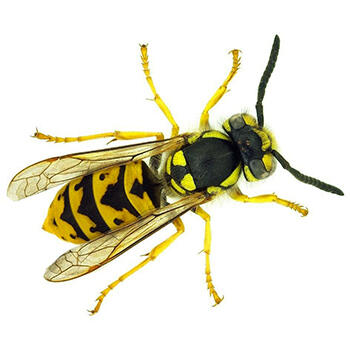
The wasp control experts at Peachtree Pest Control explain wasps are small insects that share traits with both bees and ants, although many people believe they are a type of bee. Wasps differ from bees in that they have more narrow bodies and aren’t fuzzy. The shape of their heads resembles that of ants, but wasps have wings. The size of wasps ranges from 0.5 to nearly 2 inches in length, depending on if they are workers or queen wasps.
How Do I Identify Wasps?
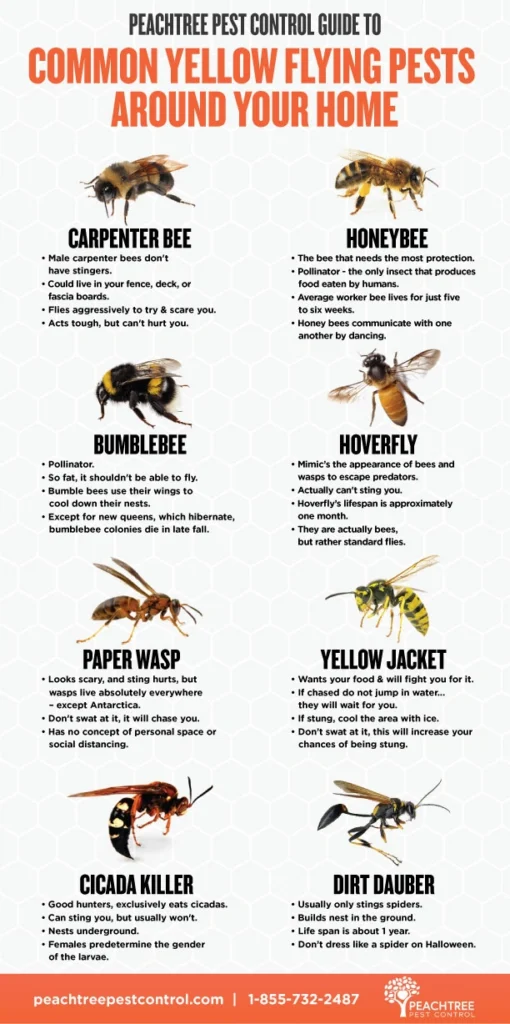
In Atlanta, Augusta, Fayetteville, Woodstock, Suwanee, Marietta, Hiram, and Aiken SC, the most common types of wasps that you’ll identify are yellow jackets(opens in new tab), hornets, and paper wasps, though there are other types of wasps throughout the four states. Yellow jackets are the most recognizable as they have yellow and black stripes and most closely resemble bees. Hornets are often more orange in color, and paper wasps are a brownish shade and smaller in size than other wasps.
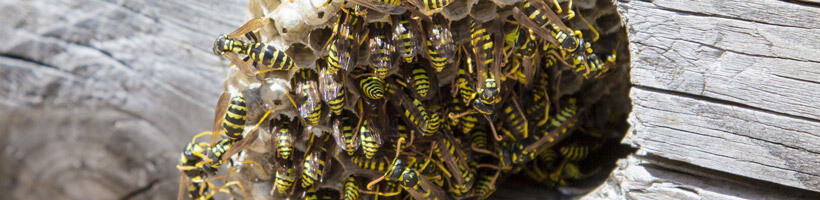
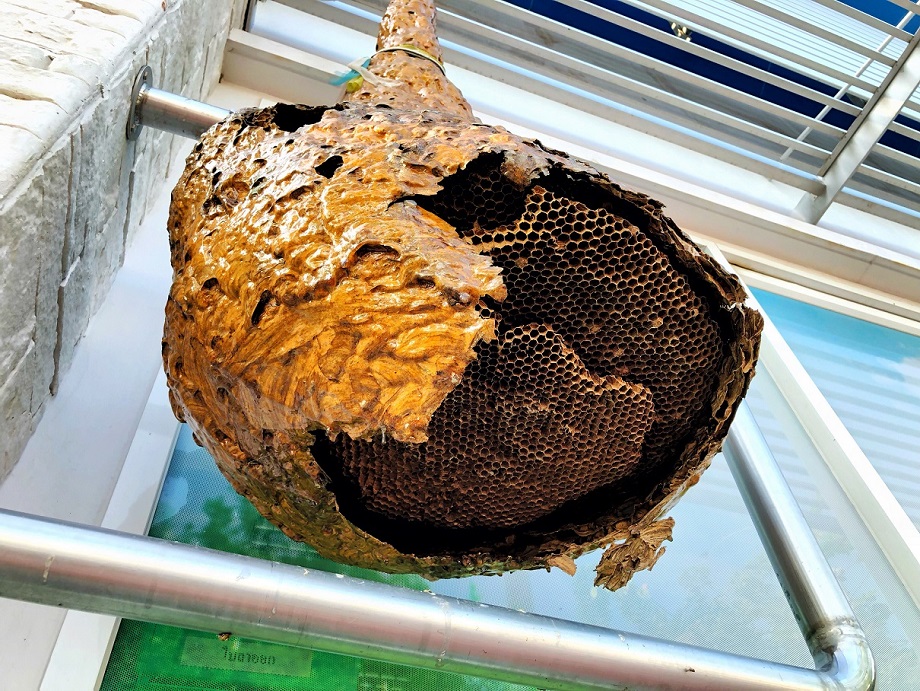
Typically, the first signs of a wasp infestation are nests somewhere near your home or business property. You may also identify a wasp issue if you’ve noticed a number of the insects flying around your house or office building. Wasp pest control experts at Peachtree Pest Control explain the nests look like honeycombs, but they’re small and somewhat rounded. You’ll usually find them outside, but they can make their way into your home or building, which is a much more serious type of infestation. When wasps are building their nests, they’re looking for a place that’ll shelter their young, so structures such as sheds, window frames, and decks are popular spots for wasp nests.
The species of wasp most commonly seen in our service area is an invasive species from Europe, the European paper wasp. It was introduced to the US in the 1970s and has largely chased out the native Northern Paper Wasp. European Paper wasps now occur in the Northeast, Southeast, California, Washington, and Idaho. Native wasps tend to be more black and brown while the invasive species are more yellow and black.
How Did I Get Wasps?
If you’ve noticed wasps inside your Atlanta, Augusta, Fayetteville, Woodstock, Suwanee, Marietta, Hiram, and Aiken SC home or business, it’s likely they’re finding their way in through holes or gaps in your structure. Wasps may be attracted to your property for a number of reasons. Wasp professionals explain gutters are one of their favorite places to nest, so these insects are naturally attracted to spaces like this. These flying pests may also be attracted to your home or business in Atlanta, Augusta, Fayetteville, Woodstock, Suwanee, Marietta, Hiram, and Aiken SC if you have a lot of flowers or plants close by. Any other door space with food or drink residue will pique their interest.
What Are the Effects of Wasps in and Around My Home or Business?
The most frustrating consequence of a wasp infestation is the possibility of stings, especially for people who are allergic, which could be deadly. Yellowjackets and paper wasps are the most likely to sting if provoked. Although many people fear wasp stings, these insects are unlikely to sting you unless they feel threatened, but it can be exhausting to worry about the possibility of stings every time you’re outside or walking into your home or business. If the wasps have made it inside your property, the potential for stings is even greater.
How Long Do Wasps Live?
The lifecycle of a wasp can vary with the queens living up to an entire year. On average, worker wasps can live between 12 to 22 days, but this depends on the species. Wasp professionals at Peachtree Pest Control explain that in Atlanta, Augusta, Fayetteville, Woodstock, Suwanee, Marietta, Hiram, and Aiken SC, most wasps lay their eggs in the spring or summer, which is why it’s more typical to have wasp infestations during these times of the year.
How Do I Prevent Wasps?
There are many dangers associated with DIY wasp removal. Wasps can be very aggressive when defending their nests, and trying to remove a wasp nest from your home or business on your own by knocking it down with a bat or other implement, could lead to wasp stings. Wasps could sting several times since they don’t lose their stringers from the first string, and this could land you in the hospital, especially if you’re not aware of a wasp sting allergy. Trying to remove the nest could also spread the wasps around the area and put others in danger of strings. Depending on where the nest is, the pests could move to your indoor areas, further putting family, pets, or customers in harm’s way.
A recommended method of wasp pest control is to clean up any outdoor area of drink or food and be sure you’re not leaving behind easily accessible trash. Reach out to a pest control expert, like Peachtree Pest Control, as we have the proper equipment and are trained to properly control wasps. Wasp extermination can be tricky, and if it’s not done just right, you may end up dealing with a colony of angry wasps.
Protecting Your Home or Business From Wasps With Peachtree Pest Control
Peachtree Pest Control offers expert treatment designed to effectively and efficiently control and prevent pests from invading your home or business in Atlanta, Augusta, Fayetteville, Woodstock, Suwanee, Marietta, Hiram, and Aiken SC. Our use of Integrated Pest Management (IPM)(opens in new tab) techniques focuses on finding the core of the pest concern and controlling Wasps from the source. Through IPM, pest control materials are selected and applied in a manner that minimizes risks to human health, pets, and the environment.
Call Peachtree Pest Control today for your FREE and NO OBLIGATION estimate at 855-732-2487 or Schedule Online today!
GET A FAST & FREE ESTIMATE







Pest Control for Wasps FAQs
Several stinging insects may be grouped under the word wasp, but the most common around Georgia homes and businesses include yellow jackets, hornets, and paper wasps.
Yellow jackets are usually black and yellow with compact bodies and often become noticeable around trash, food, drinks, and outdoor gatherings.
Paper wasps have longer legs and narrower bodies and commonly build open, papery combs under eaves, deck rails, porch ceilings, sheds, and window frames.
Hornets are generally larger and may appear orange, brown, black, or a combination depending on the species.
Identification matters because different species behave differently. Some are more defensive around the colony, while others are less likely to sting unless disturbed.
A visual check from a safe distance can help, but close contact is not worth the risk. If activity is steady in one area, professional wasp control can help identify the insect and determine the appropriate treatment.
Repeated wasp traffic to the same location is one of the clearest signs that a colony may be nearby.
Watch for wasps repeatedly entering or leaving areas under rooflines, inside wall gaps, around gutters, beneath decks, near sheds, or along window and door frames.
You may also see insects hovering near a sheltered area or gathering around an exposed paper comb or enclosed papery nest.
Sometimes the activity is more obvious than the nest itself because wasps can build in protected spaces that are difficult to see.
Multiple indoor sightings can also point to an entry gap or hidden colony, especially when wasps are appearing near ceilings, light fixtures, attic access points, windows, or wall openings.
One or two wasps outdoors do not always mean there is a colony nearby because these insects also forage for food and other insects.
If activity is frequent, concentrated, or close to areas people use, avoid poking the nest, spraying from close range, or sealing the opening while wasps are active. A professional assessment is the safer next step.
Wasps can create a safety concern because many species will defend a colony when they feel threatened.
Unlike honey bees, some wasps can sting more than once. Yellow jackets and paper wasps are common sources of painful stings around homes and businesses.
Risk is higher when the colony is near a doorway, walkway, patio, play area, business entrance, mailbox, deck, or another place people pass frequently.
The concern can also increase when activity moves indoors or into wall voids, attics, or other hidden areas.
A wasp flying across the yard is not automatically a problem because wasps also hunt other insects and visit flowers.
A fixed location with repeated traffic, a visible nest, or defensive behavior near people or pets is more concerning.
Anyone concerned about a sting reaction should contact a qualified medical professional. For property safety, keep your distance and avoid disturbing the nesting area.
Professional wasp control starts with identifying the species, locating the colony, and determining the safest way to treat it.
Our technicians look at activity patterns, entry points, height, access, nearby people or pets, and whether the insects are exposed or hidden inside a wall, soffit, or other void.
From there, we select materials and application methods that fit the situation using Integrated Pest Management principles to address the source while reducing unnecessary exposure.
In some cases, an exposed nest can be removed after activity has been controlled.
In other situations, especially when wasps are inside a wall or other inaccessible space, physical nest removal may not be practical without creating additional property concerns.
That is why professional judgment matters. Random spraying or knocking down a nest can disturb defensive insects and increase the chance of stings.
The goal is to control the active problem, reduce risk around the property, and explain any conditions that may be contributing to wasp activity.
Many wasp-control visits can be completed during a single appointment, but how quickly activity stops depends on the species, colony size, nest location, access, and surrounding conditions.
A small exposed paper-wasp nest under an eave is generally more straightforward than heavy activity entering a wall void, attic, gutter line, or another high or difficult-to-access area.
Weather, nearby foot traffic, and the presence of people or pets can also affect how the work is performed.
Some wasps may remain active for a short period after treatment as foragers return to the treated area. That does not necessarily mean the service failed, but activity should decline as the colony is affected.
Do not try to speed up the process by knocking down the nest, sealing active openings, or applying additional products unless the technician recommends it.
When scheduling, describe where you are seeing activity and how long it has been present so we can prepare appropriately.
Wasp treatment can address the active colony and reduce activity around the treated area, but no treatment can prevent every future wasp from visiting or nesting on a property.
Wasps are mobile and seasonal and may be attracted to sheltered construction gaps, food residue, trash, sugary drinks, protein sources, flowering plants, and other suitable nesting areas.
New queens or foraging wasps may find a different location later even after the original problem has been controlled.
Prevention is strongest when professional treatment is paired with practical maintenance.
Keep trash sealed, clean outdoor food and drink spills, reduce clutter around sheds and decks, repair accessible gaps, and watch gutters, eaves, and porch ceilings during warmer months.
Some areas are difficult to exclude completely, especially high rooflines and concealed building voids.
If concentrated wasp activity continues after enough time has passed for the treatment to work, contact us so we can discuss what you are seeing.
Safety is an important part of stinging-insect control.
We use Integrated Pest Management methods, which means we consider the pest, location, risk, and surrounding conditions before choosing materials and application techniques.
When products are needed, they are selected and applied in a targeted manner intended to minimize unnecessary exposure to people, pets, and the surrounding environment.
Any pest control service may have preparation or re-entry instructions that should be followed, such as keeping children and pets away from the immediate work area until the technician says it is appropriate to return.
Beneficial insects are also an important consideration. Wasps themselves can help control other insects, so treatment is most appropriate when activity creates a safety concern or interferes with use of the property.
We avoid broad, unnecessary applications when a more focused approach is appropriate.
Before service, tell us about pets, play areas, gardens, water features, or other sensitive locations so we can account for them during the visit.
Call us when wasp activity is frequent, close to people, difficult to reach, or connected to a visible nest or entry point.
In Suwanee, GA, warmer weather can bring more stinging-insect activity around eaves, decks, sheds, gutters, patios, business entrances, and outdoor dining areas.
You should also contact us if wasps are appearing indoors, if a colony is close to children, pets, customers, or employees, or if someone has already been stung while using the area.
Waiting can allow the colony to grow, while DIY removal may disturb defensive wasps and increase sting risk.
A single wasp outdoors may not require service, but repeated flight to the same location is a stronger sign that professional help may be warranted.
Peachtree Pest Control brings more than 50 years of pest control experience to residential and commercial properties, including stinging-insect concerns.
If you are unsure what you are seeing, send us the details when you request service so we can help determine the next step.
A wasp-control visit begins with understanding where activity has been seen, how long it has been happening, and whether wasps have appeared indoors or near frequently used areas.
The technician will evaluate visible activity, possible entry points, access concerns, and nearby safety factors such as doors, walkways, pets, children, customers, or landscaping.
Identification is important because yellow jackets, hornets, and paper wasps do not always behave or nest in the same way.
Once the situation is understood, we apply a control method suited to the location and explain what you should avoid after service.
You may be asked to stay away from the immediate area while returning wasps contact the treated site.
If nest removal is appropriate after activity has been controlled, the technician can explain whether it is practical. If the nest is hidden inside a wall or another inaccessible void, physical removal may not be possible without additional repair work.
Our role is to address the active concern and help you understand what to watch for afterward.
Ask how the company identifies the wasp species, locates the nesting area, chooses a treatment method, and handles nests that are hidden or difficult to access.
It is also reasonable to ask about technician training, licensing, insurance, preparation instructions, follow-up service, and any retreat or service terms that apply.
A reputable company should explain what is included before work begins rather than make broad promises that may not fit every property.
Peachtree Pest Control brings more than 50 years of pest control experience and uses Integrated Pest Management principles to address stinging insects with targeted, practical treatment.
Because service terms can vary depending on nest location, accessibility, and property conditions, ask our team to explain what applies to your specific wasp problem when you schedule.
Looking For Pest Control Services in Your Area?
Peachtree Pest Control provides expert pest control, extermination, and wildlife removal services throughout Georgia, North Carolina and South Carolina: